
Introduction of SEO Trends
Search Engine Optimization (SEO) is constantly evolving, and businesses must stay updated with the latest trends to remain competitive in the digital world. In 2026, SEO is no longer just about adding keywords—it focuses on user experience, high-quality content, and advanced technologies like Artificial Intelligence.
With search engines becoming smarter, understanding user intent has become more important than ever. Trends such as voice search, mobile-first indexing, and AI-driven content are shaping the future of SEO. If you want your website to rank higher on search engines like Google, you must adapt to these changes.
In this blog, we will explore the top SEO trends in 2026 and how you can use them to improve your website ranking and online visibility.
Why SEO Trends Are Important ?
SEO trends are important because they help businesses stay updated with the latest changes in search engine algorithms and user behavior. As search engines continue to improve, old SEO techniques may stop working, making it necessary to follow new strategies.
One of the main reasons SEO trends matter is that they help improve your website’s visibility. When you follow the latest SEO practices, your website has a higher chance of appearing on the first page of search results. This leads to increased traffic and better chances of converting visitors into customers.
Another important reason is competition. Thousands of websites are competing for the same audience. If you are not using the latest SEO trends, your competitors will outrank you. By staying updated, you can gain a competitive advantage.
SEO trends also focus on improving user experience. Modern SEO is not just about search engines but also about providing value to users. Faster loading speed, mobile-friendly design, and high-quality content all contribute to a better user experience.
In short, understanding SEO trends is essential for long-term success in digital marketing.
Latest SEO Trends in 2026
SEO in 2026 is driven by technology, user behavior, and search engine advancements. Businesses need to focus on smart strategies that go beyond traditional SEO techniques.
Some of the most important SEO trends include the use of Artificial Intelligence, voice search optimization, high-quality content creation, and technical improvements. These trends are helping websites rank better and connect with their target audience more effectively.
In the following sections, we will explore each of these trends in detail so you can understand how to apply them to your website.
Latest SEO Trends in 2026
AI in SEO (Artificial Intelligence)
Artificial Intelligence is transforming the way SEO works in 2026. Search engines like Google are now using AI to better understand user intent and deliver more relevant results.
AI tools such as ChatGPT and Surfer SEO help marketers create optimized content, analyze keywords, and improve website performance. These tools can suggest content ideas, improve readability, and even predict ranking opportunities.
AI also plays a major role in search algorithms, making them smarter and more user-focused. This means websites must create helpful, original, and high-quality content instead of just focusing on keywords.
How to use it:
- Use AI tools for keyword research
- Optimize content based on user intent
- Improve content quality and structure

Voice search is growing rapidly as more people use devices like smartphones and smart assistants. Users now search using natural language, such as “What are the best SEO trends in 2026?”
This means your content should be more conversational and question-based. Instead of short keywords, focus on long-tail keywords and full sentences.
Voice search also increases the importance of featured snippets (position zero on search results), as voice assistants often read those answers.
How to optimize:
- Use question-based headings
- Add FAQ sections
- Write simple and natural sentences
High-Quality Content (Content SEO Trends)
Content remains the most important factor in SEO. In 2026, search engines prioritize content that is helpful, informative, and trustworthy.
Google follows the E-E-A-T principle (Experience, Expertise, Authority, Trust). This means your content should show real knowledge and provide value to users.
Instead of writing for search engines, focus on solving user problems. Well-structured content with proper headings, examples, and clear explanations performs better.
Best practices:
- Write original and informative content
- Use proper headings (H1, H2, H3)
- Add images, examples, and FAQs
- Keep content easy to read
Mobile-First Indexing
In 2026, most users access websites through mobile devices. That’s why search engines like Google use mobile-first indexing, meaning they prioritize the mobile version of your website.
If your website is not mobile-friendly, your rankings can drop significantly.
How to optimize:
- Use responsive design
- Improve loading speed
- Make content easy to read on small screens
On-Page SEO Trends
On-page SEO focuses on optimizing elements within your website. It helps search engines understand your content better.
Important factors include:
- Proper use of keywords
- SEO-friendly titles and meta descriptions
- Internal linking
- Image optimization
Tips:
- Place your primary keyword in the title and first paragraph
- Use secondary keywords naturally
- Add internal links to related pages
Off-Page SEO Trends
Off-page SEO focuses on building your website’s authority outside your site. The most important factor is backlinks (links from other websites).
High-quality backlinks signal to search engines that your content is trustworthy.
Effective strategies:
- Guest posting
- Social media sharing
- Influencer collaborations
Avoid spammy links, as they can harm your rankings.
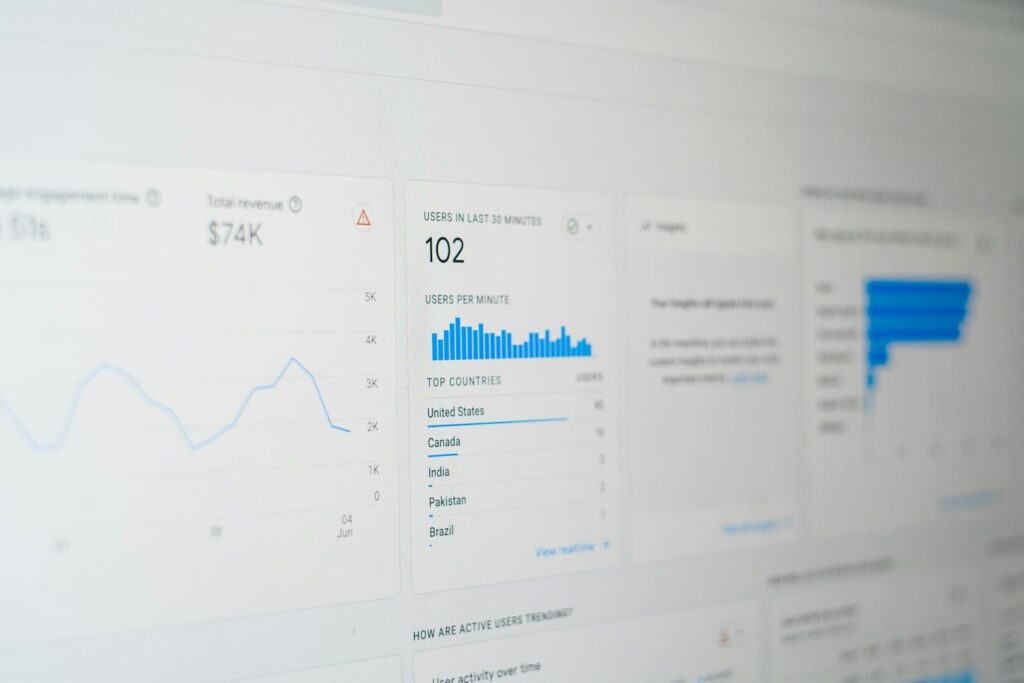
Technical SEO ensures that your website is easy for search engines to crawl and index.
Key factors include:
- Fast loading speed
- Secure website (HTTPS)
- Clean website structure
- XML sitemap
Search engines like Google also consider Core Web Vitals, which measure user experience based on speed, responsiveness, and stability.
Optimization tips:
- Improve page speed
- Fix broken links
- Use proper URL structure