Introduction to Email Marketing Trends 2026
Email marketing trends has remained one of the most reliable and high-performing digital marketing channels for years, and in 2026, it continues to deliver exceptional results. Despite the rise of social media platforms, messaging apps, and new communication tools, email marketing still offers one of the highest returns on investment (ROI) for businesses of all sizes.
However, the landscape of email marketing has evolved significantly. In the past, brands focused on sending bulk emails to large audiences with a one-size-fits-all approach. Today, that strategy is no longer effective. Modern consumers expect relevant, personalized, and value-driven communication. As a result, email marketing in 2026 is more sophisticated, data-driven, and customer-centric than ever before.
One of the biggest changes in email marketing is the integration of advanced technologies such as Artificial Intelligence (AI) and automation. These technologies allow marketers to understand customer behavior, predict preferences, and deliver highly targeted content. For example, businesses can now send emails at the exact time a user is most likely to open them, recommend products based on past purchases, and even generate personalized email content automatically.
Another major shift is the growing importance of user experience (UX). Emails are no longer just about text and images—they are designed to be interactive, visually appealing, and mobile-friendly. With the majority of users accessing emails through smartphones, brands must ensure that their emails are optimized for smaller screens, load quickly, and provide a seamless experience.
Personalization has also become a key factor in successful email marketing. In 2026, personalization goes far beyond addressing the recipient by their name. Marketers now use data such as browsing behavior, purchase history, location, and interests to create highly customized email campaigns. This level of personalization helps build stronger relationships with customers and significantly improves engagement rates.
In addition, privacy and data protection have become critical concerns. Consumers are more aware of how their data is being used, and they expect transparency from brands. Businesses must follow ethical practices, use permission-based marketing, and comply with data protection regulations to build trust and maintain credibility.
Furthermore, email marketing is no longer a standalone strategy. It is now integrated with other digital marketing channels such as social media, content marketing, and SMS marketing. This multi-channel approach ensures a consistent and connected customer journey across different platforms.
As competition continues to grow, staying updated with the latest email marketing trends in 2026 is essential for businesses that want to succeed. Marketers need to continuously adapt their strategies, experiment with new tools, and focus on delivering value to their audience.
In this blog, we will explore the most important email marketing trends that are shaping the future of digital marketing. Understanding and implementing these trends will help you increase engagement, improve conversions, and achieve long-term business growth.
AI in Email Marketing
Artificial Intelligence (AI) is one of the most powerful forces transforming email marketing in 2026. It is helping marketers move from traditional, manual campaigns to smart, automated, and highly personalized email strategies.
In simple terms, AI in email marketing means using advanced algorithms and data analysis to understand customer behavior, predict their needs, and send the right message at the right time—without manual effort.
What is AI in Email Marketing?
AI in email marketing refers to the use of machine learning, data analytics, and automation tools to improve email campaign performance.
Instead of guessing what your audience wants, AI helps you:
- Analyze large amounts of user data
- Identify patterns and behaviors
- Make data-driven decisions
- Automate repetitive tasks
This results in more effective and efficient email campaigns.
How AI is Changing Email Marketing in 2026
AI is revolutionizing email marketing in multiple ways:
1. Smart Audience Segmentation
Earlier, segmentation was basic (age, gender, location).
Now AI can segment users based on:
- Behavior (clicks, purchases)
- Interests
- Engagement level
- Buying patterns
This allows you to send highly targeted emails to the right audience.
2. Predictive Analytics
AI can predict future user behavior based on past actions.
For example:
- Which product a user is likely to buy
- When a user will open an email
- Which type of content performs best
This helps marketers plan smarter campaigns and increase conversions.
3. AI-Generated Content
AI tools can now create:
- Email subject lines
- Email copy
- Product descriptions
- Personalized recommendations
This saves time and ensures content is optimized for engagement.
Example: AI can generate multiple subject lines and choose the best-performing one automatically.
4. Send-Time Optimization
One of the biggest advantages of AI is timing.
Instead of sending emails at a fixed time, AI analyzes user behavior and sends emails when each individual is most likely to open them.
Result: Higher open rates and better engagement.
5. Automated Email Campaigns
AI enhances automation by making it smarter.
Examples:
- Welcome email sequences
- Cart abandonment emails
- Re-engagement campaigns
- Upsell and cross-sell emails
AI ensures emails are triggered based on user actions, not just schedules.
Benefits of AI in Email Marketing
Using AI provides multiple advantages:
Higher Open Rates
AI optimizes subject lines and timing, increasing email opens.
Better Personalization
Emails feel more relevant to users, improving engagement.
Time-Saving
Automation reduces manual work and increases efficiency.
Improved Conversions
Targeted emails lead to more clicks and sales.
Data-Driven Decisions
No guesswork—everything is based on real data.
Real-Life Example
Imagine an e-commerce business:
- A user browses shoes but doesn’t buy
- AI tracks this behavior
- The user receives a personalized email with similar shoes
- The email is sent at the best time
- It includes a discount offer
This increases the chances of conversion significantly.
Challenges of AI in Email Marketing
While AI is powerful, it also comes with challenges:
- Requires quality data to work effectively
- Can feel too automated if not used properly
- Needs the right tools and setup
- Privacy concerns if data is misused
That’s why balancing automation with human touch is important.
Future of AI in Email Marketing
In the future, AI will become even more advanced:
- Hyper-personalized emails in real-time
- Voice-optimized email content
- Emotion-based targeting
- Fully automated campaigns with minimal human input
AI will make email marketing more intelligent, predictive, and customer-focused.
Email Personalization Trends
In 2026, email personalization is no longer a “nice-to-have”—it’s a necessity. Users are constantly receiving dozens of emails daily, and generic messages are often ignored or deleted. To stand out, businesses must deliver highly relevant and personalized content that connects with each individual user.
Email personalization trends means tailoring email content based on user data, behavior, preferences, and interactions. The more relevant your email is, the higher the chances of en gagement and conversion.
What is Email Personalization?
Email personalization is the practice of sending customized emails to users based on specific data such as:
- Name
- Location
- Purchase history
- Browsing behavior
- Interests
Instead of sending the same message to everyone, brands create unique experiences for each user.
Example:
Instead of: “Check our new products”
You send: “Nisha, here are products you’ll love based on your last purchase”
Evolution of Personalization in 2026
Earlier personalization was limited to:
- Using first names
- Basic segmentation
But now in 2026, it has evolved into hyper-personalization, which includes:
- Real-time behavior tracking
- AI-based recommendations
- Dynamic email content
- Predictive personalization
This makes emails feel more like one-to-one communication rather than marketing.
Key Email Personalization Trends in 2026
1. Behavior-Based Personalization
Emails are now triggered based on user actions like:
- Website visits
- Product views
- Cart abandonment
- Email clicks
This ensures users receive content that matches their current interest.
2. Dynamic Email Content
Dynamic content changes automatically based on the user.
For example:
- Different product recommendations for different users
- Location-based offers
- Personalized banners
One email, multiple personalized versions.
3. AI-Driven Personalization
AI plays a major role in personalization by:
- Predicting user preferences
- Suggesting products/services
- Optimizing email content
This improves accuracy and saves time.
4. Personalized Subject Lines
Subject lines are the first thing users see.
Personalized subject lines:
- Increase open rates
- Grab attention instantly
- Feel more relevant
5. Product Recommendations
E-commerce brands use personalization to suggest products based on:
- Previous purchases
- Browsing history
- Similar user behavior
This significantly boosts sales and conversions.
6. Location-Based Personalization
Emails can be customized based on user location.
Examples:
- Local offers
- Regional language
- Weather-based suggestions
Makes emails more relatable and useful.
Benefits of Email Personalization
Higher Open Rates
Personalized emails are more likely to be opened.
Better Engagement
Users interact more with relevant content.
Increased Conversions
Targeted emails lead to higher sales.
Strong Customer Relationships
Personalization builds trust and loyalty.
Real-Life Example
Imagine a user visits an online store and checks out smartphones but doesn’t buy.
Next day, they receive an email:
- Showing the same smartphones
- Offering a discount
- Including similar product suggestions
This personalized approach increases the chance of purchase.
Challenges of Personalization
While powerful, personalization has some challenges:
- Requires accurate data collection
- Privacy concerns
- Over-personalization can feel intrusive
- Needs proper tools and strategy
Balance is key—be helpful, not creepy.
Future of Email Personalization
In the future, personalization will become even more advanced:
- Real-time content updates
- AI-driven emotional targeting
- Voice-based personalization
- Fully customized email journeys
Emails will feel like personal conversations instead of marketing messages.
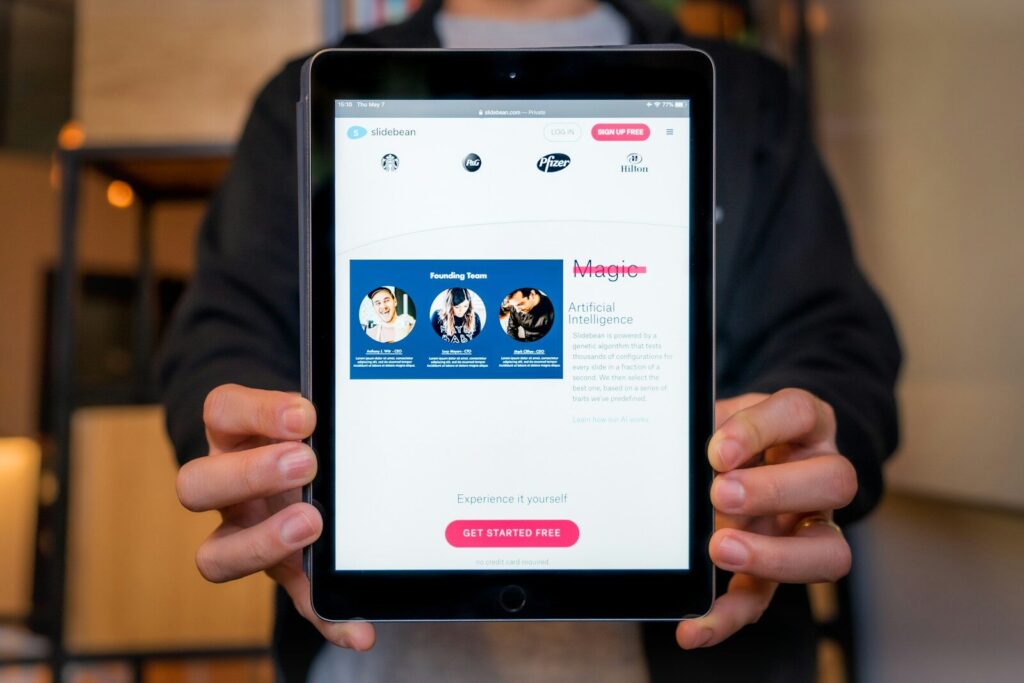
In 2026, users don’t just want to read emails—they want to interact with them. This is where interactive email content comes into play.
Interactive emails allow users to take actions directly inside the email without needing to visit a website. This makes the experience faster, more engaging, and user-friendly.
What is Interactive Email Content?
Interactive email content includes elements that users can click, swipe, or engage with inside the email itself.
Instead of static text and images, emails now include features like:
- Buttons
- Sliders
- Polls
- Forms
- Product previews
It turns a simple email into an engaging mini-experience.
Why Interactive Emails are Trending in 2026
There are 3 main reasons why this trend is growing fast:
1. Short Attention Span
Users quickly lose interest in long, boring emails. Interactive content keeps them engaged.
2. Instant Action
Users can take action directly in the email without extra steps.
3. Better User Experience
It feels modern, smooth, and convenient.
Types of Interactive Email Content
1. Polls & Surveys
You can ask users questions directly in emails.
Example:
“Which product do you like most?”
- Option A
- Option B
This increases engagement and helps collect valuable data.
2. Image Carousels
Users can scroll through multiple images inside the email.
Great for:
- Product showcases
- Portfolios
- Offers
3. Clickable Menus & Buttons
Interactive buttons guide users to take action.
Examples:
- “Shop Now”
- “Claim Offer”
- “Book Now”
Clear CTAs improve conversion rates.
4. Embedded Forms
Users can fill forms directly inside emails.
Examples:
- Feedback forms
- Event registrations
- Newsletter signups
5. Gamification
Adding fun elements like:
- Scratch cards
- Spin the wheel
- Quizzes
Makes emails exciting and increases interaction.
6. Add to Cart / Buy Now
Users can select products or add to cart directly from the email.
Reduces friction and boosts sales.
Benefits of Interactive Emails
Higher Engagement
Users spend more time interacting with emails.
Better Click-Through Rates
More interaction = more clicks.
Improved Conversions
Easy actions lead to more sales.
Better User Experience
Smooth and modern experience.
Real-Life Example
Imagine receiving an email from an online clothing brand:
- You can scroll through outfits (carousel)
- Select your favorite style
- Click “Buy Now” directly
No need to open a website—everything happens inside the email.
Challenges of Interactive Emails
Despite the benefits, there are some challenges:
- Not all email clients support advanced interactivity
- Requires technical knowledge (HTML/CSS/AMP)
- Can increase email loading time
- Needs proper testing
So always have a fallback (simple version) for unsupported devices.
Best Practices for Interactive Email Content
- Keep design simple and clean
- Use clear call-to-action (CTA)
- Optimize for mobile devices
- Don’t overload with too many elements
- Test emails before sending
Future of Interactive Emails
In the future, emails will become even more dynamic:
- Fully interactive shopping experiences
- Real-time updates inside emails
- AI-powered interactive content
- Voice-enabled interactions
Emails will feel like mini apps inside inboxes.
Got it. Here is the same Email Automation Trends section rewritten in a clean, professional, SEO-friendly format without emojis or stickers:
Email Automation Trends
Email automation has become a core part of modern digital marketing strategies. In 2026, it goes beyond simply scheduling emails—it focuses on delivering the right message to the right user at the right time through intelligent systems.
Automation allows businesses to streamline communication, reduce manual workload, and build consistent, personalized customer journeys. It ensures that users receive timely and relevant emails based on their behavior and interactions.
What is Email Automation?
Email automation is the process of sending emails automatically based on predefined triggers such as user actions, behavior, or specific conditions.
Instead of manually sending emails, marketers create workflows that run automatically.
Example:
When a user signs up on a website, they immediately receive a welcome email without any manual effort.
How Email Automation Works
Email automation operates on a simple structure:
- Trigger: A user action (such as signing up, clicking a link, or making a purchase)
- Action: An automated email is sent in response
Example workflow:
A user adds a product to the cart but does not complete the purchase. The system automatically sends a reminder email after a few hours.
Key Email Automation Trends in 2026
1. Behavior-Based Automation
Emails are triggered based on real user actions such as browsing products, clicking links, or abandoning carts.
This ensures that users receive highly relevant and timely content.
2. Advanced Email Workflows
Automation has evolved into multi-step workflows that guide users through a journey.
Examples include welcome email series, lead nurturing campaigns, and onboarding sequences. These workflows help build long-term relationships with customers.
3. AI-Powered Automation
Artificial Intelligence enhances automation by analyzing user data and optimizing email delivery.
It helps determine the best time to send emails, personalize content, and predict user behavior, leading to improved campaign performance.
4. Lifecycle Email Marketing
Emails are now aligned with different stages of the customer journey, such as awareness, consideration, purchase, and retention.
This approach ensures that users receive relevant messages based on where they are in the buying process.
5. Real-Time Trigger Emails
Emails are sent instantly based on user actions.
Examples include order confirmations, account notifications, and transaction updates. These emails improve user experience and build trust.
Types of Automated Emails
- Welcome Emails: Sent immediately after signup to introduce the brand
- Abandoned Cart Emails: Remind users to complete their purchase
- Follow-Up Emails: Sent after user interaction to maintain engagement
- Birthday or Anniversary Emails: Add a personal touch to communication
- Re-Engagement Emails: Target inactive users to bring them back
Benefits of Email Automation
Email automation provides several advantages:
- Saves time by reducing manual work
- Improves efficiency with 24/7 automated workflows
- Enhances targeting through behavior-based triggers
- Increases conversions with timely communication
- Maintains consistent engagement with users
Real-Life Example
Consider an e-commerce business:
A user signs up and receives a welcome email.
They browse products and later receive personalized recommendations.
If they add items to the cart but do not complete the purchase, a reminder email is sent.
After purchase, a confirmation and thank-you email follow.
All of this happens automatically without manual intervention.
Challenges of Email Automation
While effective, automation also presents challenges:
- Requires proper setup and strategy
- Excessive emails may overwhelm users
- Needs continuous monitoring and optimization
- Poor personalization can make emails feel impersonal
Balancing automation with a human touch is essential.
Best Practices for Email Automation
- Segment your audience effectively
- Avoid over-automation
- Personalize content wherever possible
- Test workflows regularly
- Analyze performance metrics to improve results
Future of Email Automation
In the future, email automation will become more advanced with:
- Fully AI-driven workflows
- Predictive customer journeys
- Hyper-personalized messaging
- Integration with multiple channels such as SMS and social media
Automation will make marketing more efficient, scalable, and data-driven.
Mobile-First Email Design
In 2026, mobile-first design is no longer optional—it is essential. A significant percentage of users now access emails through smartphones, which means emails must be optimized for smaller screens to ensure a seamless experience.
Mobile-first email design focuses on creating emails that are easy to read, navigate, and interact with on mobile devices. This includes using responsive layouts, concise content, and clear call-to-action buttons.
One of the most important aspects of mobile-first design is responsiveness. Emails should automatically adjust to different screen sizes, ensuring that images, text, and buttons display properly. Poorly optimized emails can lead to high bounce rates and low engagement.
Another critical factor is readability. Short paragraphs, larger fonts, and proper spacing improve the user experience. Users should be able to quickly scan the email and understand the message without zooming or scrolling excessively.
Call-to-action buttons must also be mobile-friendly. They should be large enough to tap easily and placed in visible areas. Clear and direct CTAs improve click-through rates and conversions.
Loading speed is equally important. Heavy images and complex designs can slow down email loading time, which may result in users abandoning the email.
Overall, mobile-first email design improves user experience, increases engagement, and boosts conversion rates, making it a key trend in 2026.
Data Privacy and User Trust
Data privacy has become a major concern in digital marketing, and email marketing is no exception. In 2026, users are more aware of how their personal information is collected and used.
Businesses must adopt transparent and ethical data practices to build trust with their audience. Permission-based marketing is essential, meaning users must explicitly agree to receive emails.
Privacy regulations are becoming stricter worldwide. Companies must ensure compliance with data protection laws and clearly communicate how user data is being used.
Trust is a key factor in email marketing success. If users feel their data is safe, they are more likely to engage with emails and stay connected with the brand.
Brands should also provide easy options for users to manage their preferences, such as unsubscribing or updating their email settings.
By prioritizing privacy and transparency, businesses can build long-term relationships and improve customer loyalty.
Integration with Multi-Channel Marketing
Email marketing is no longer a standalone strategy. In 2026, it is integrated with multiple digital marketing channels to create a seamless customer experience.
Multi-channel marketing involves combining email with platforms such as social media, SMS, and content marketing. This ensures consistent communication across different touchpoints.
For example, a user may receive an email about a product, see a related ad on social media, and later receive a reminder via SMS. This coordinated approach increases brand recall and improves conversion rates.
Integration also allows marketers to collect and analyze data from different channels, leading to better insights and more effective campaigns.
Consistency is crucial in multi-channel marketing. The messaging, branding, and tone should remain uniform across all platforms.
By integrating email marketing with other channels, businesses can create a unified and engaging customer journey.
Minimalist Email Design
Minimalist design is a growing trend in email marketing. In 2026, simplicity is key to capturing user attention and delivering clear messages.
A minimalist email focuses on clean layouts, limited text, and a strong visual hierarchy. It eliminates unnecessary elements and highlights the most important information.
One of the main advantages of minimalist design is improved readability. Users can quickly understand the message without feeling overwhelmed.
White space plays a crucial role in minimalist design. It helps separate content and makes the email look clean and professional.
Using fewer colors and simple fonts also enhances the overall appearance. A clear and focused call-to-action ensures that users know exactly what action to take.
Minimalist emails load faster and perform better on mobile devices, making them more effective in today’s fast-paced digital environment.
Data-Driven Email Marketing
Data-driven marketing is at the core of successful email campaigns in 2026. Marketers rely on data to make informed decisions and optimize their strategies.
Key metrics such as open rates, click-through rates, conversion rates, and bounce rates provide valuable insights into campaign performance.
By analyzing this data, marketers can identify what works and what doesn’t. This allows them to refine their strategies and improve results over time.
Segmentation is an important aspect of data-driven marketing. Users are grouped based on their behavior, preferences, and engagement levels. This enables targeted and relevant communication.
A/B testing is another powerful technique. Marketers can test different subject lines, email designs, and CTAs to determine which version performs better.
Data-driven email marketing ensures continuous improvement and helps businesses achieve higher ROI.
Future of Email Marketing
The future of email marketing is driven by technology, personalization, and innovation. In 2026 and beyond, email marketing will become more intelligent and user-centric.
Artificial Intelligence and machine learning will play a major role in automating and optimizing campaigns. Predictive analytics will help marketers anticipate user behavior and deliver personalized experiences.
Emails will become more interactive and dynamic, offering real-time updates and engaging features. Voice technology and smart devices may also influence how emails are consumed.
Hyper-personalization will continue to evolve, allowing brands to create highly customized experiences for each user.
Integration with other digital channels will become more advanced, creating a seamless and connected customer journey.
Businesses that adapt to these changes will gain a competitive advantage and achieve long-term success.
FAQs
1. What are email marketing trends?
Email marketing trends refer to the latest strategies, tools, and innovations used to improve email campaign performance and engagement.
2. Why are email marketing trends important in 2026?
They help businesses stay competitive, improve user engagement, and achieve better return on investment.
3. What is the biggest email marketing trend in 2026?
AI-powered personalization and automation are the most significant trends shaping email marketing.
4. How can I keep up with email marketing trends?
You can follow industry blogs, analyze campaign data, use modern tools, and continuously test new strategies.
5. Does email marketing still work in 2026?
Yes, email marketing remains one of the most effective digital marketing channels when executed with modern strategies.
Conclusion
Email marketing in 2026 is more advanced, data-driven, and customer-focused than ever before. From mobile-first design to AI-powered automation and personalization, the landscape is constantly evolving.
To succeed, businesses must stay updated with the latest email marketing trends and continuously adapt their strategies. Focusing on user experience, data privacy, and personalized communication is essential for building strong relationships with customers.
By implementing these trends effectively, marketers can improve engagement, increase conversions, and achieve sustainable growth.